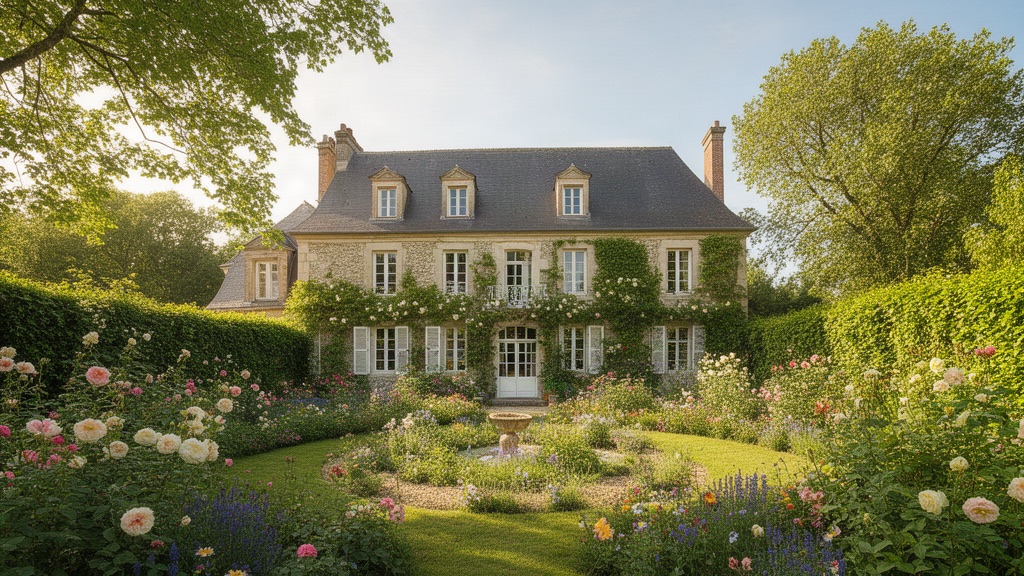
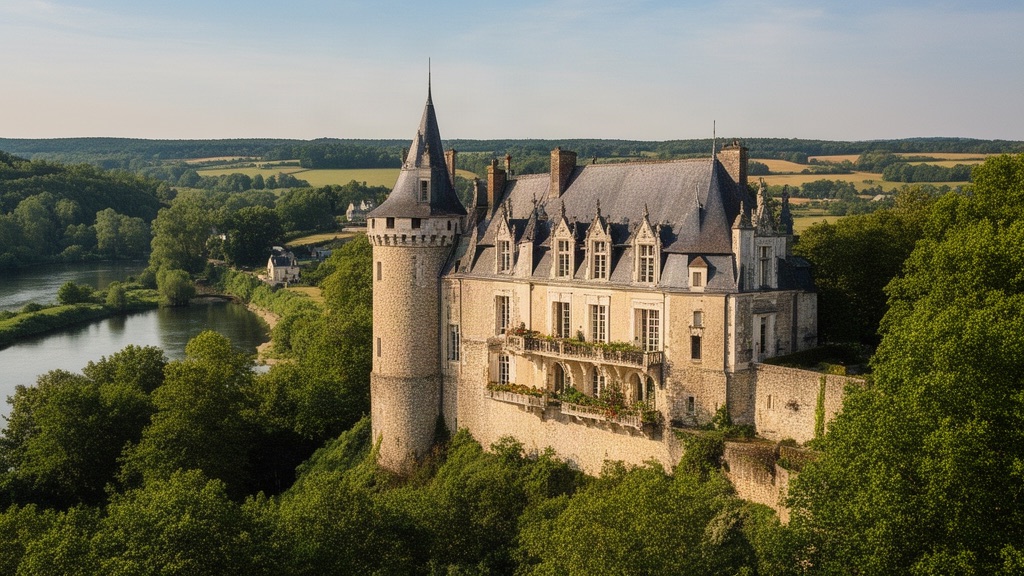
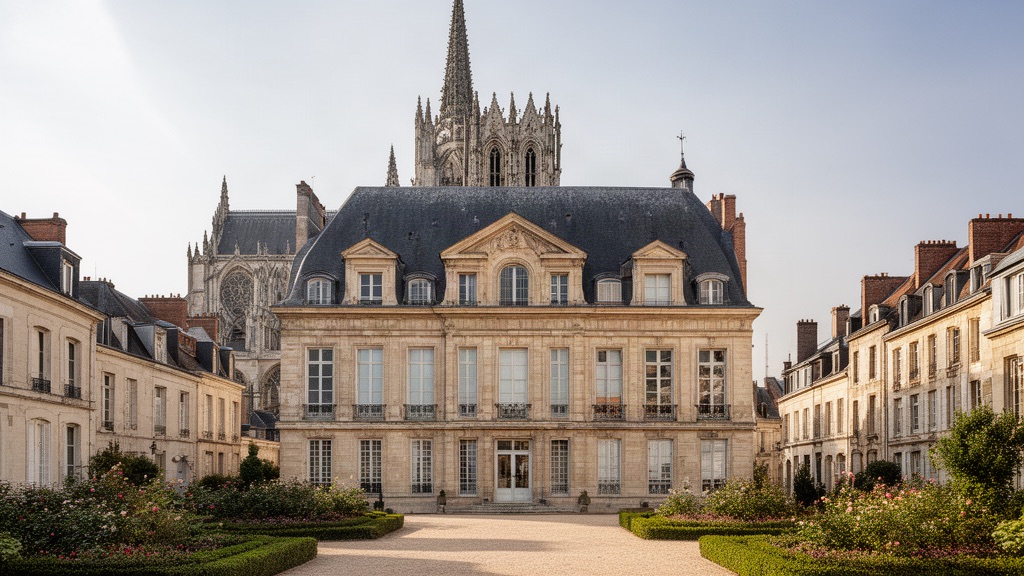
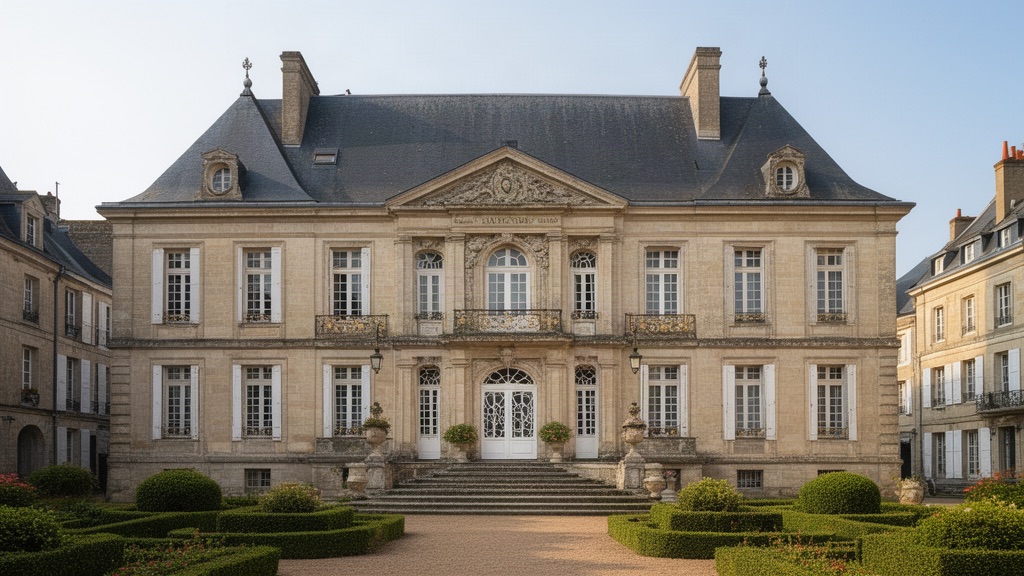
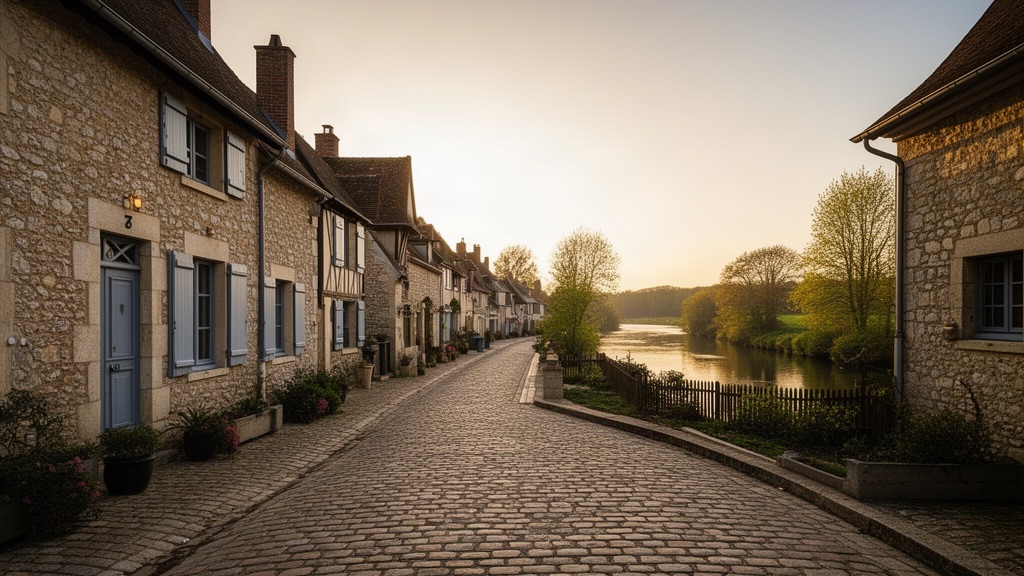
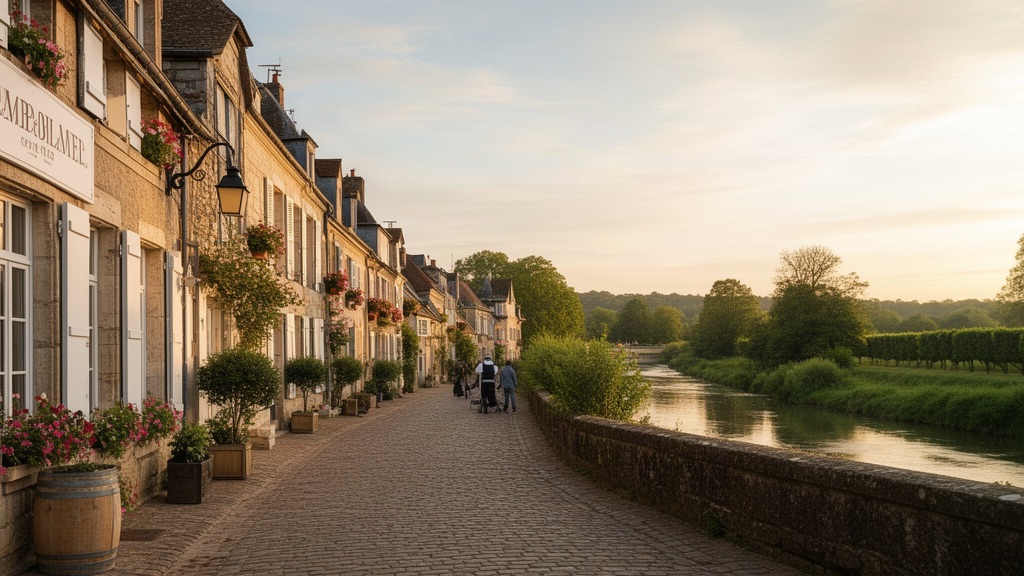
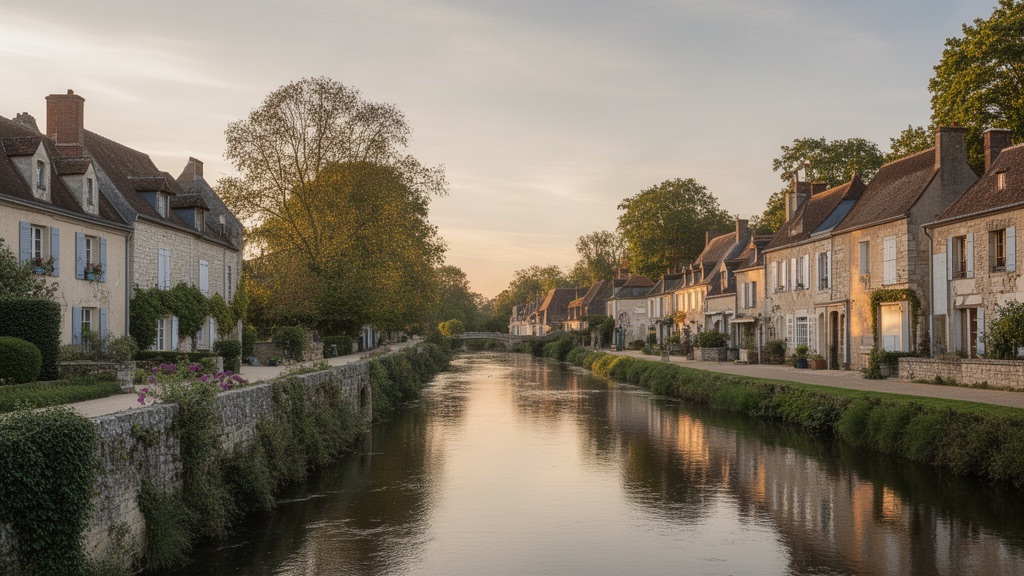
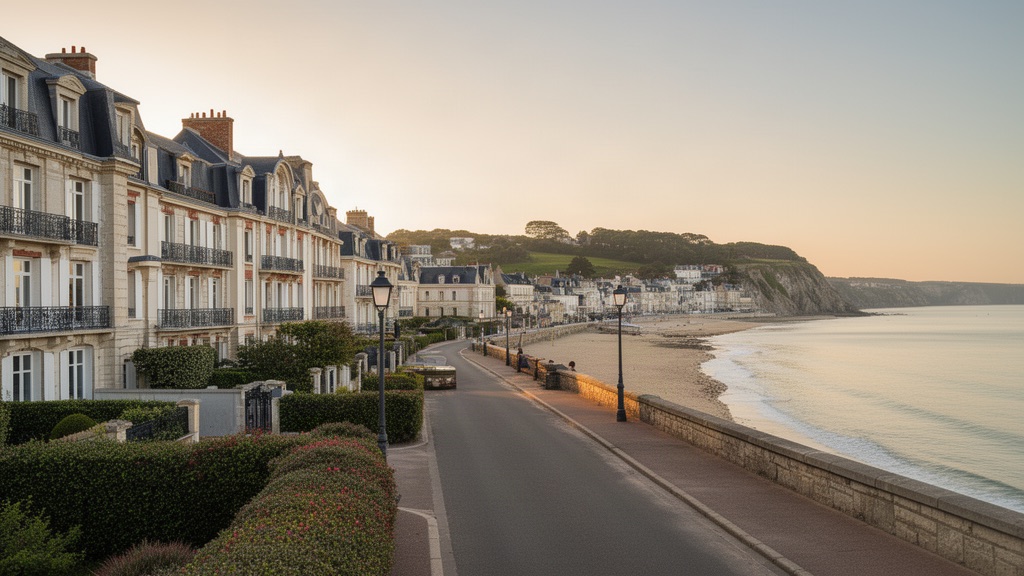
In Normandy, the word « manor » immediately evokes an image: blonde stone in the Pays d'Auge, a character longère nestled in the bocage, sometimes a discreet seigneurial residence behind a wall. But behind this romantic evocation, the market is demanding, technical, and reserved for buyers who know what they are looking for.
What is a Norman manor?
Architecture, history and types of manors
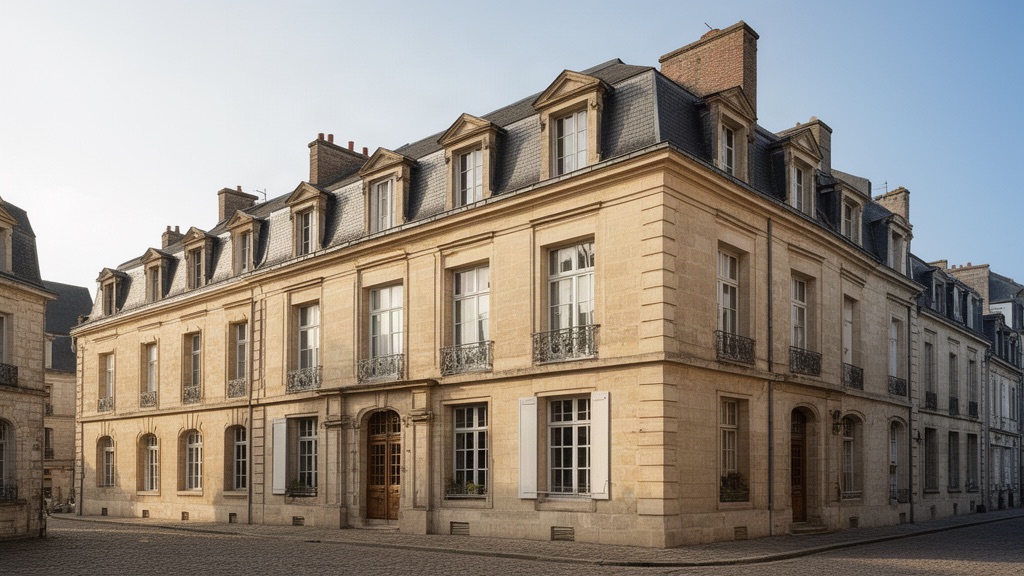
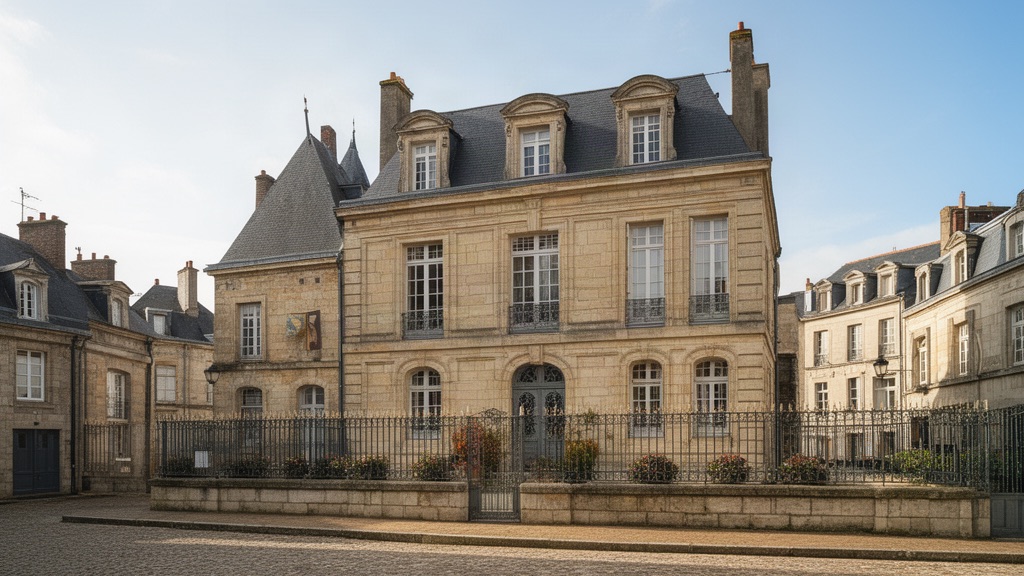
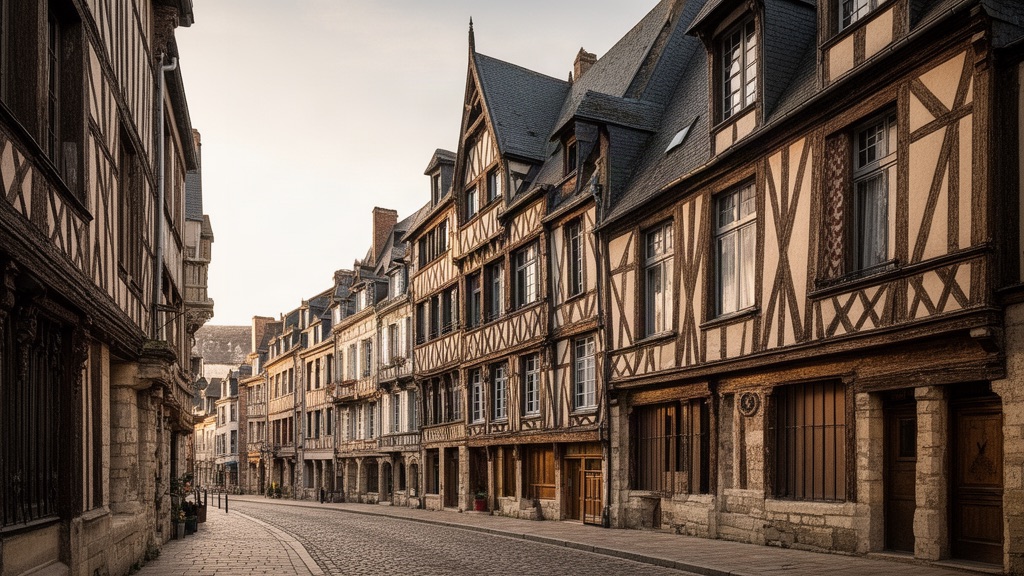
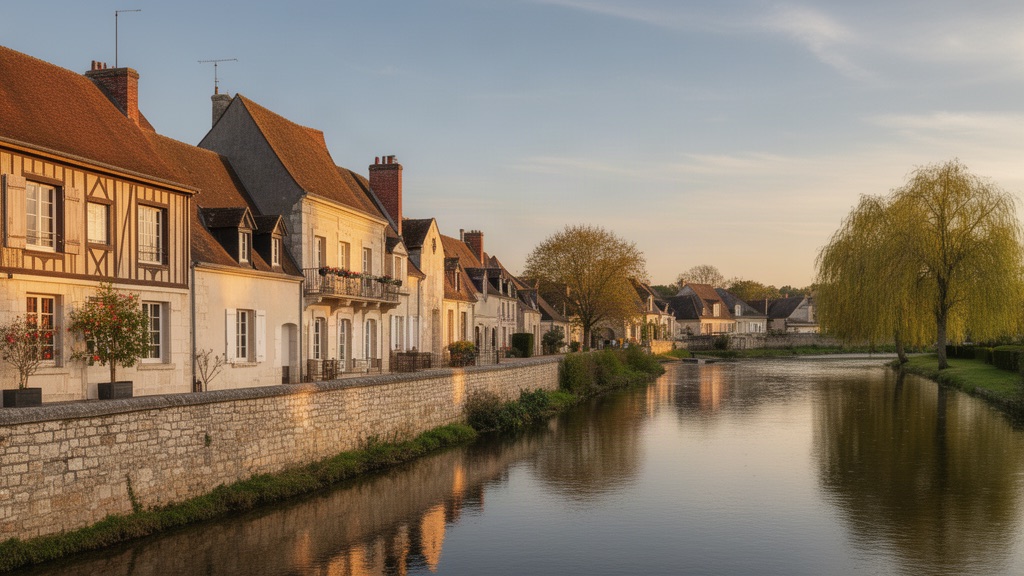
The Norman manor covers very different realities. You find half-timbered manors from the 16th century in the Pays d'Auge, Caen stone residences from the 17th or 18th century with main house and outbuildings, master longères expanded over generations, and sometimes true seigneurial residences with tower, dovecote or private chapel.
What unites them: a relationship with the land. A Norman manor sits within land, bocage, topography. You are not buying habitable square metres alone, but an ensemble: farm buildings, barn, cider press, pond, orchard, sometimes several hectares of meadow or woodland.
Manor, character property, château: telling them apart
The boundary is blurred in everyday language, but it matters on the market. A character property is often a bourgeois house or remarkable longère, without seigneurial pretension. A manor generally implies a stronger history, more generous volume, sometimes remarkable architectural features. A château belongs to an even tighter market, with different constraints and budgets.
For the buyer, the issue is not the label but the actual building, its condition, its constraints, and consistency between asking price and planned renovation or use. For châteaux, see our dedicated article on châteaux in Normandy.
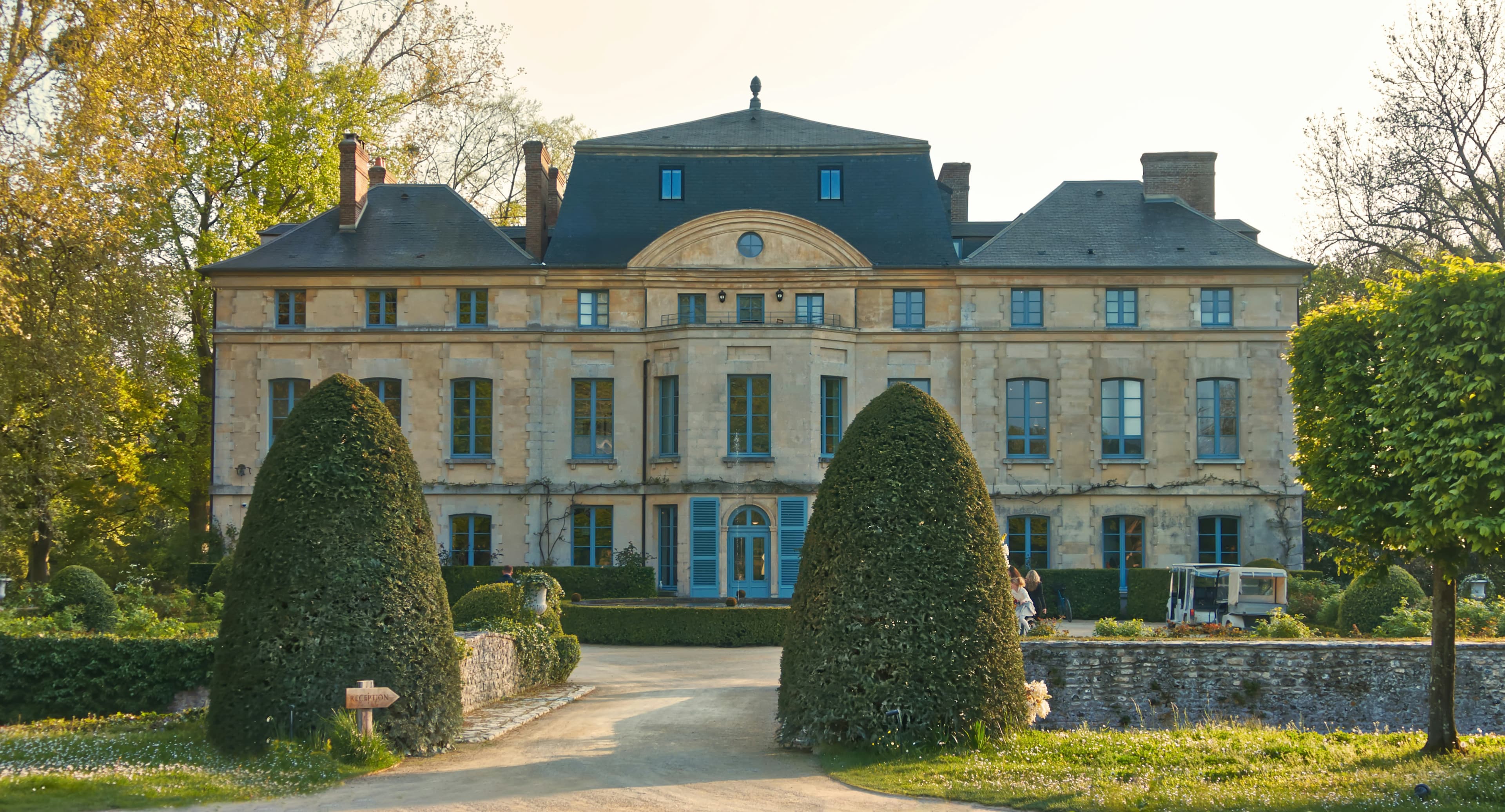
The manor market in Normandy
Supply and demand dynamics
Supply of manors in Normandy is rare and cyclical. Finished properties, tastefully renovated and correctly priced, find buyers. Properties requiring heavy works can remain visible for a long time, sometimes years, for lack of a buyer ready to commit to the renovation budget.
Demand is qualitative and patient. You do not buy a manor on impulse. Buyers analyse the building, consult a heritage architect, cost the works, anticipate upkeep. It is a market of enthusiasts and legacy, not short-term speculation.
Buyer profiles
- Heritage families seeking an exceptional place to live, often with a transmission project.
- Parisians or Île-de-France residents looking for a main or second character residence, sometimes with permanent remote working.
- International buyers sensitive to Normandy's image and bocage charm.
- Project holders in hospitality, charming gîtes or events, on suitable properties.
What drives the price
Budgets vary enormously. A property to renovate in the hinterland may trade around €800,000 to €1.2M. A finished manor in the Pays d'Auge or near the coast easily exceeds €1.5 to €3M, with peaks well beyond for exceptional properties.
Price drivers: condition of the building, quality of renovation, land (area, quality, woodland), location (Pays d'Auge, proximity to Deauville-Honfleur, discretion), and remarkable heritage features (half-timbering, roofs, authentic outbuildings).
Why buy a Norman manor
Holding value and passing on
A well-maintained Norman manor retains heritage value over the long term. You do not resell it in six months, but you pass it on: a place laden with history, meaningful in a family logic over several generations.
Residential, mixed or hospitality use
Some manors are lived in year-round, with generous volumes for a large family. Others accommodate mixed use: main residence and gîtes in outbuildings. A few properties, correctly located and fitted out, support a hospitality or events project, but that is never obvious: regulation, accessibility and economic viability must be checked.
Possible evolution over ten or twenty years
A manor's value depends above all on quality of works. A poorly renovated manor does not gain value. A manor restored with care, in a preserved setting, can progress over ten or twenty years, especially if land is generous and the address exceptional.
Essential criteria before buying
Condition of the building and works required
This is the first reflex, and the most important. Damp, roof structure, roofing, joinery, services: a serious survey is essential before any offer. Manors not maintained for decades may require €500,000 to €1M of works, sometimes more.
Outbuildings, land and easements
Barn, stable, cider press, garage, gîte: outbuildings add value or complexity depending on condition. Land must be registered, bounded, understood. Easements (right of way, views, watercourses) can surprise if not checked upfront.
Heritage constraints and planning
Some manors are listed or registered as historic monuments, or sit in a protected perimeter. That limits renovation freedom but can also protect value. The Architecte des Bâtiments de France (ABF) opinion must be anticipated for any visible modification project.
Upkeep, renovation and obligations
Annual upkeep budget
A manor is not a villa. Expect significant annual upkeep: roof, façades, grounds, heating large volumes, sometimes maintenance staff. Many owners estimate between 2 and 5% of property value per year in routine upkeep, excluding major works.
Grants, labels and quality works
Heritage renovation grants exist (tax credit, DRAC subsidies, Fondation du Patrimoine in some cases). They never cover all works, but can lighten an ambitious project. A heritage architect or Patrimoine label can also enhance value on resale.
Where to find manors in Normandy
Pays d'Auge and Norman bocage
The Calvados concentrates a major share of supply: Pays d'Auge, bocage, stone properties between Deauville and Honfleur. It is the historic heart of the Norman manor.
Coast and character properties
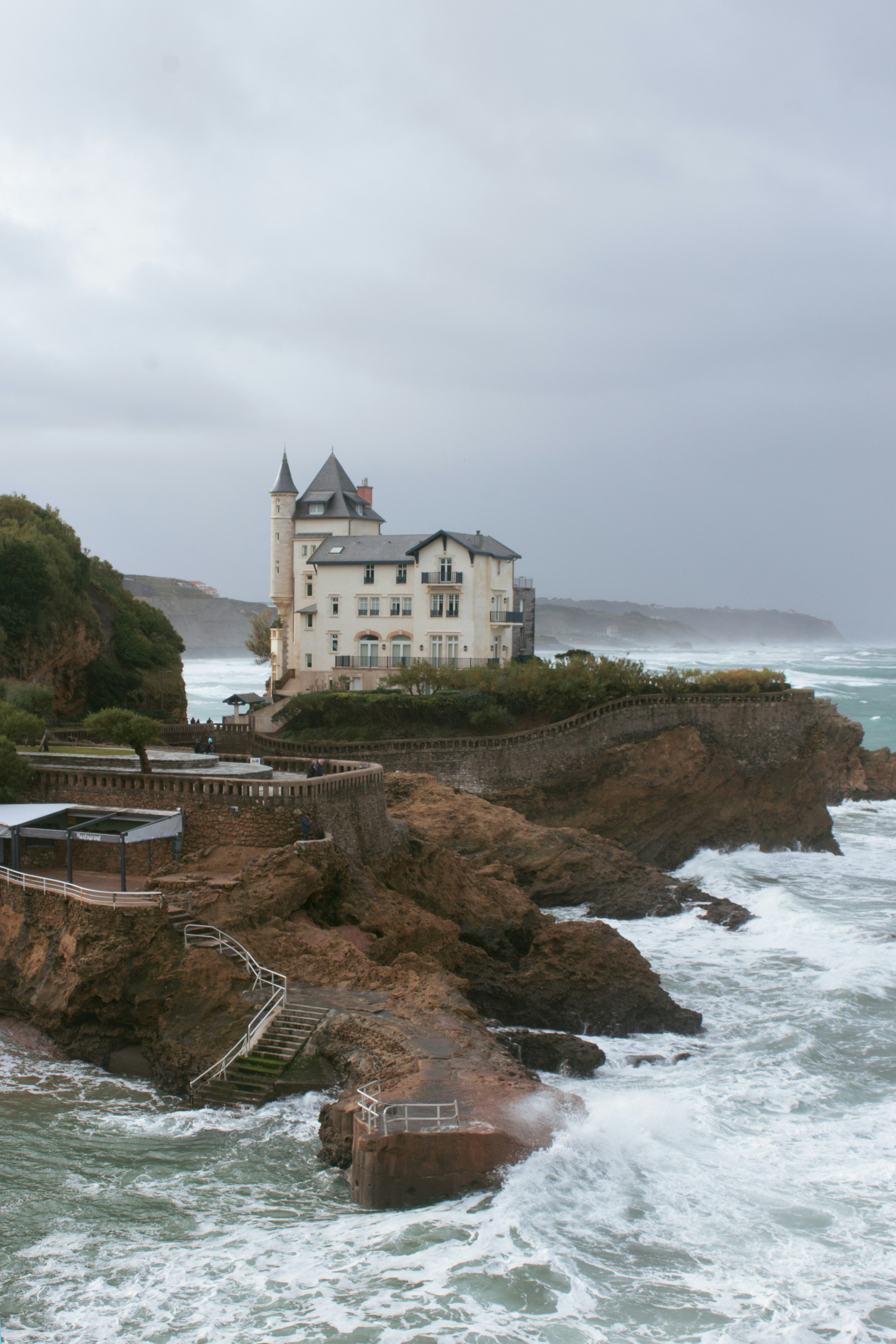
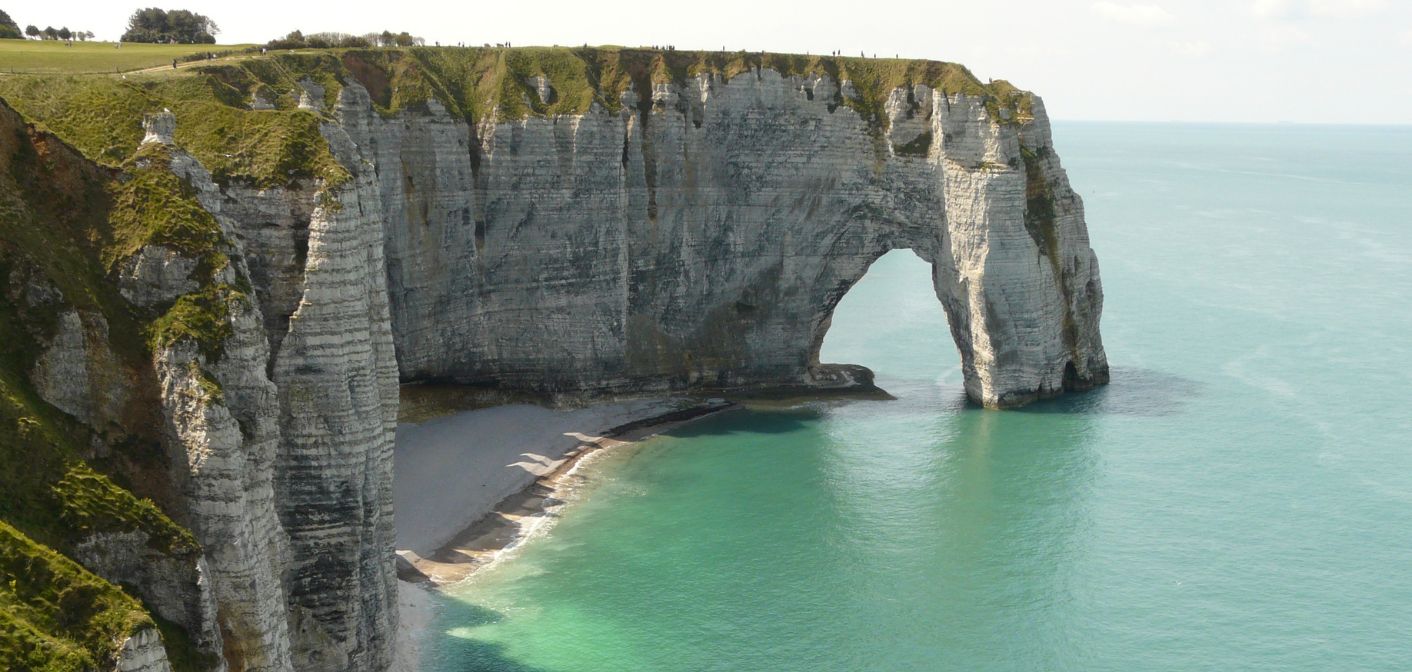
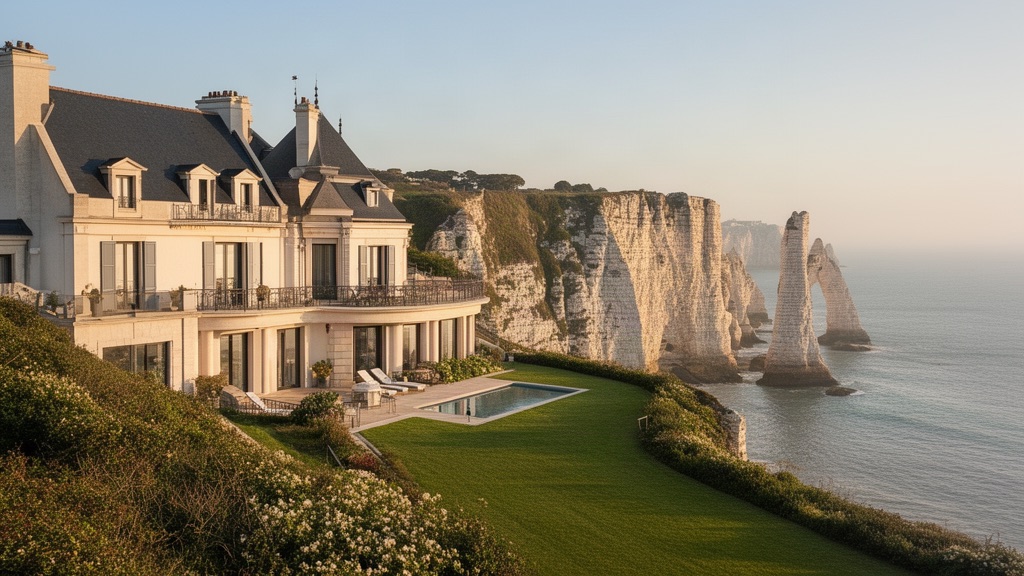
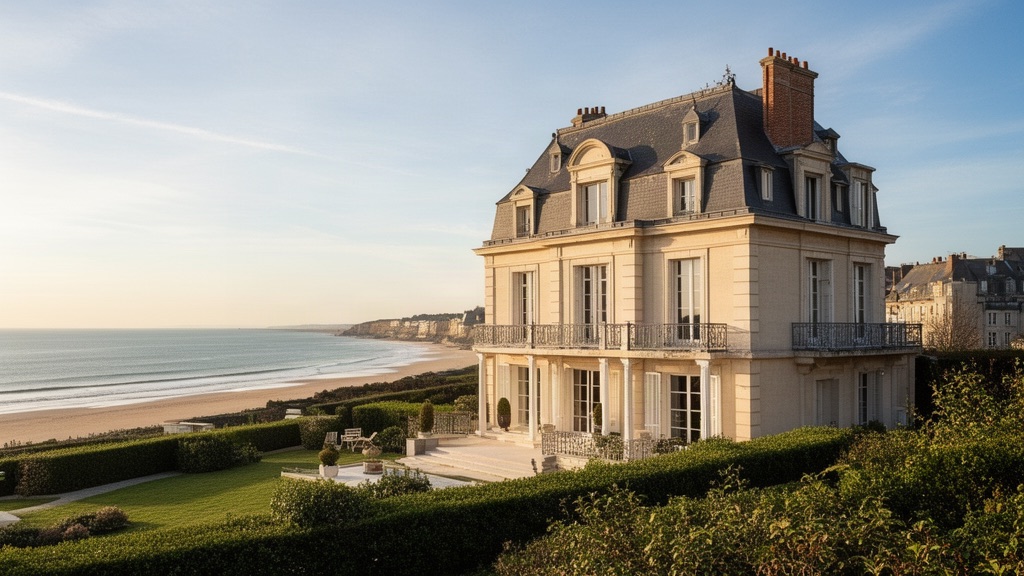
Rarer, manors and properties near the coast combine heritage and seaside living. Budgets are higher there, supply tighter.
Orne, Eure and more confidential areas
The Orne, Eure and Seine-Maritime offer more confidential manors, often with generous land and sometimes more accessible prices than the most sought-after Calvados.
Pitfalls to avoid
- Underestimating the works budget by relying on « cosmetic » renovation.
- Ignoring heritage constraints before buying.
- Confusing habitable area and total area (outbuildings, unconverted attics).
- Buying without visiting the property in different seasons (winter damp, summer surroundings).
- Neglecting resale timelines: selling a manor can take several years.
Buying a manor in Normandy means accepting a demanding, often exciting, rarely simple project. But for those seeking more than a home, who want to pass on a place and anchor a family in a territory, the Norman manor remains one of France's finest property adventures. Explore manors and châteaux in Normandy to discover current supply.